
Evaluating Biocultural Diversity and Socio-Ecological Vulnerability for the Conservation of Rural Areas in Spain (EmBraCe)
Rural areas worldwide are responsible for global food production and host the largest share of the world’s terrestrial biodiversity. Between 24 and 38% of the Earth's land area is thought to be used for agricultural crops and pastures in rural areas. Previous studies have indicated that by 2050, cropland will increase by 23% and pastureland by 16%. These regions are responsible to provide key ecosystem services that maintain the well-being of local people (around 20% of the world’s population). However, important trajectories of land use change such as the rural abandonment of mountainous and less productive areas, and the land-use intensification of fertile areas are threatening these regions. These trajectories represent a serious threat to rural landscape in the Mediterranean region and raises serious decisions on how to reduce its impact on local communities.
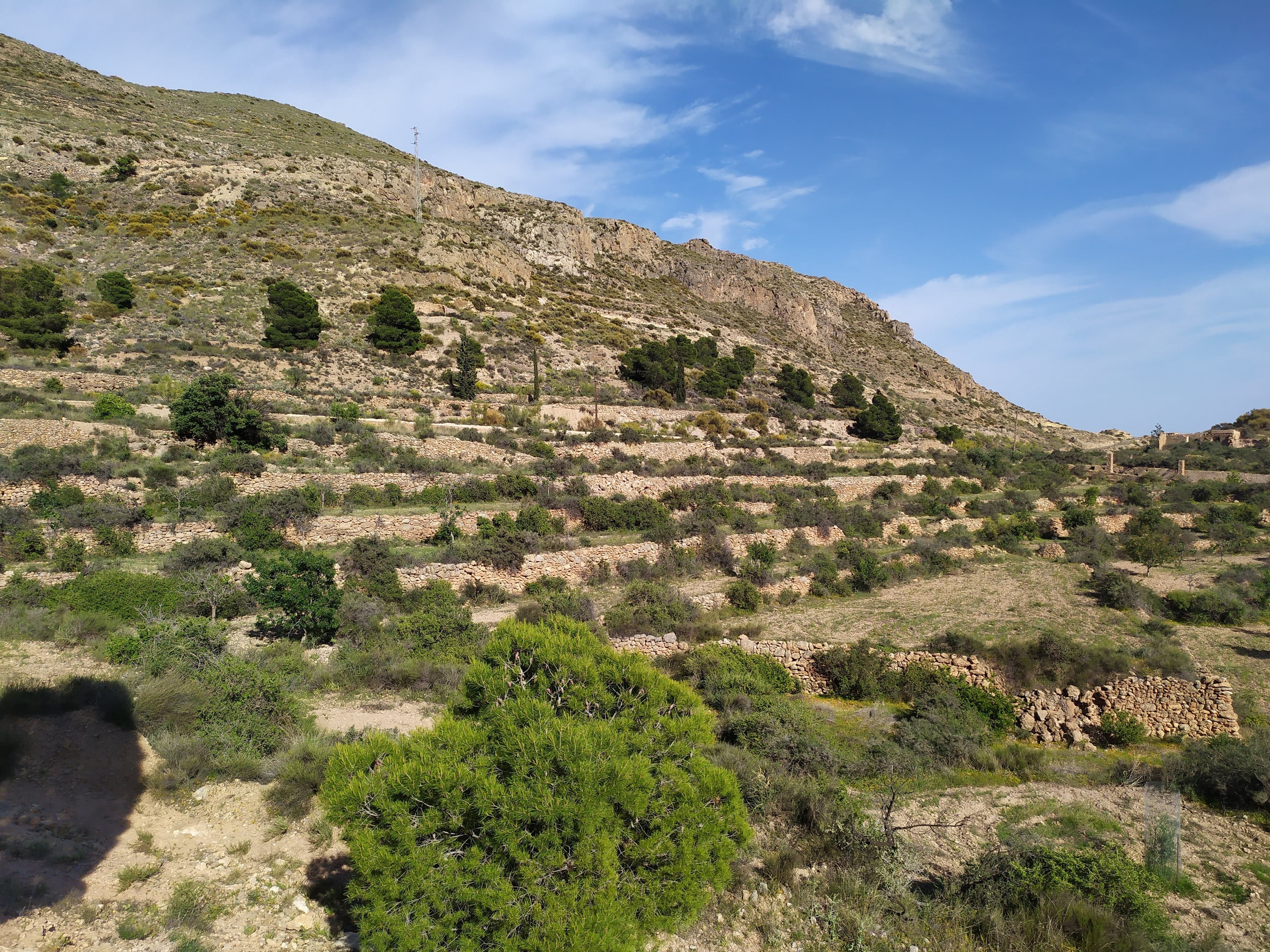
Biocultural diversity is the notion that biological and cultural diversity are dependent on each other, and that biological diversity is managed, conserved, and created by different cultural groups. Agricultural landscapes are visibly shaped by human practices, and in these areas the relationship between nature and culture runs deep, where everyday practices and traditions have coevolved with the environment over millennia. This is especially true in Mediterranean agricultural landscapes in rural regions where the traditional management of the land have endured over millennia. However, these landscapes depend on human interventions and currently are threatened by their abandonment, driving by migration to more urban areas, intensification processes, or aging of population, having a direct impact on the human well-being of local communities.
EmBraCe will help to uncover and determine methodologies to evaluate, quantify and measure biocultural diversity, as well as their linkages with human well-being.The specific research questions are: using a suite of case studies from rural areas in Spain
(A) What are their levels of social-ecological vulnerability?
(B) What is the status of their biodiversity?
(C) How social and cultural values are connected to biodiversity?
(D) What is the status of biocultural diversity, and how does biocultural diversity related to specific ecosystem services and human well-being components? and,
E) Which alternative strategies and actions can foster social-ecological resilience of biocultural diversity in the face of increasing agricultural intensification and land abandonment?
To this end, EmBraCe will conduct both an interdisciplinary approach (i.e., biodiversity assessment, socio-cultural valuation, and biocultural modelling) and transdisciplinary process to identify strategies for activating knowledge co-creation and active participation of local communities in preserving biocultural diversity. The overarching goal of EmBraCe is to provide innovative solutions for the preservation of rural areas in Spain through the conservation of biocultural diversity and the promotion of well-being of local communities. To do this, we propose four specific objectives aimed at addressing the previously described working hypotheses:
1. To map and assess the level of social-ecological vulnerability in rural areas in Spain and to identify a suite of rural case studies for an in-depth investigation of biocultural diversity.
2. To sample and quantify biodiversity and their associated local ecological knowledge across selected case studies.
3. To assess social and cultural values underpinning biocultural diversity through social-cultural approaches and gender analysis.
4. To develop an integrative analysis to model biocultural diversity and co-produce with stakeholders’ collective strategies for future rural conservation in Spain.
Image Gallery
Project Website
Project Dates
September 1, 2023 - August 31, 2027
Funded By
Convocatoria de Generación de Conocimiento 2022
Funding
€141,000.00